Cal Terçó is a basilica-style farmhouse dating back to the 17th century. Although the exact date of construction is unknown, records show that the Church acquired it in 1708, noting it was already an old house. When the Church took over the property, it renovated and enhanced it, placing on its façade the coat of arms of the Order of the Mercedarians, belonging to the Archdiocese of Barcelona, which at the same time was restoring the nearby church of Sant Martí.
The name El Terçó comes from its historical role as the collection point for taxes paid by farmers — one third for the Church, one third for the army, and one third for the farmer.
The house still preserves the original iron ring where weighing scales were hung, embedded in the Montjuïc stone arch that spans 10 meters wide by 3 meters high, presiding over the double living room.
At the end of the 19th century, following Mendizábal’s disentailment, the house was confiscated from the Church and auctioned. It was acquired as a second residence by the Padró family, part of Catalonia’s upper bourgeoisie, who introduced decorative modifications in line with the period’s tastes, covering the stone elements of the house. It is believed that around this time the large clay wine vats disappeared, as the area was devoted to vineyards — a tradition that continues today under the D.O. Alella designation.
In the early 1980s, the Padró family sold the house to the Mola family, industrialists from Barcelona, who kept it unaltered as a holiday residence.
In 2000, the current owners purchased the property. Given its state of deterioration, they undertook a complete and meticulous restoration, recovering all the original 17th-century elements while upgrading and modernizing the facilities.
The renovation lasted two years, and the house is now officially listed as artistic and historical heritage.
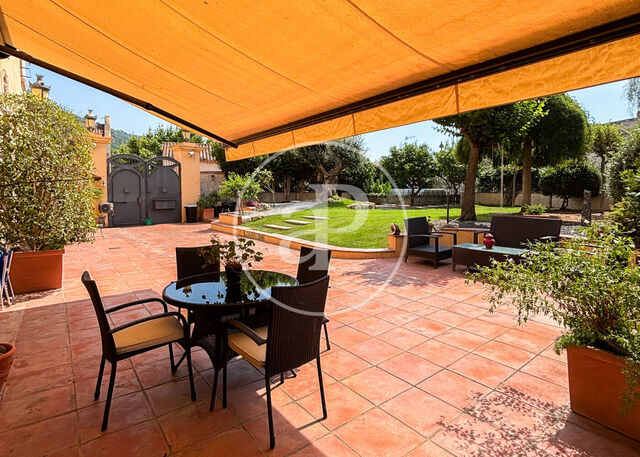
Located in the old town, this independent property enjoys a unique, unspoiled setting, offering privacy both inside the home and in the garden, despite being just a few meters from all amenities.
Legend has it that during the Church’s ownership, a secret underground passage was built from the back of the house to the neighboring church of Sant Martí, under the square of the same name, so the clergy could move without stepping outside.
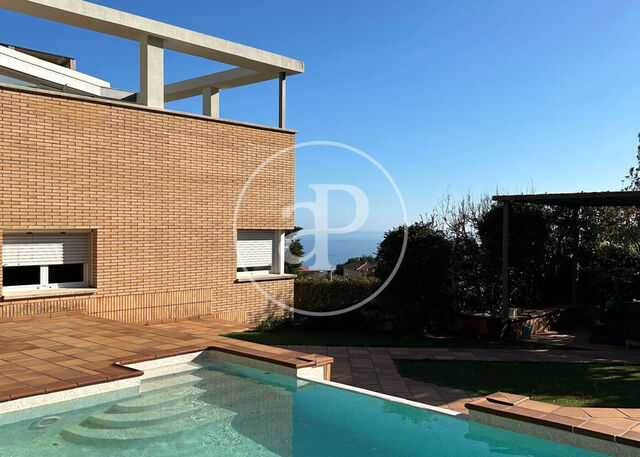
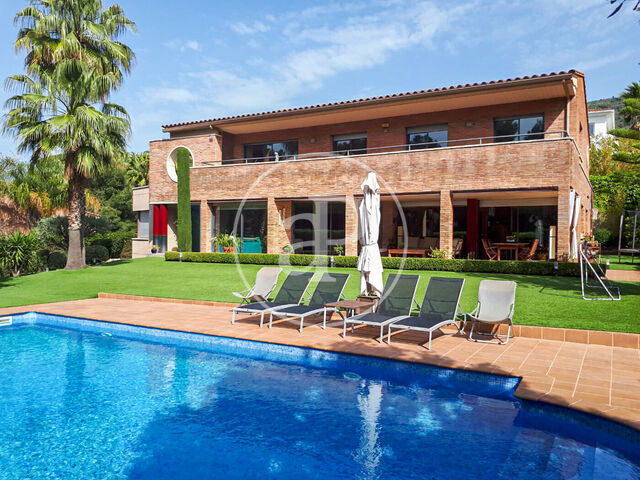
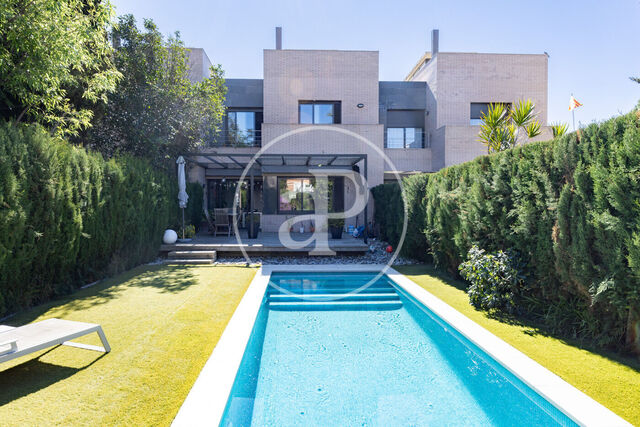
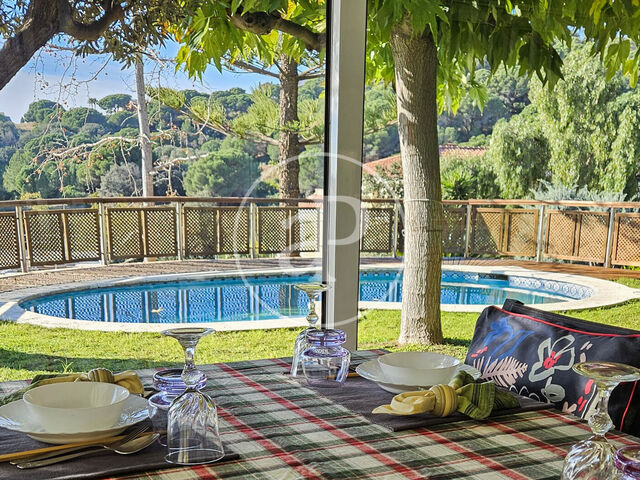
Refinement on every level: this majestic 1,100 m² masia spans three floors, elegantly connected by a private lift, delivering an exceptional living experience. With premium finishes, original fireplaces, underfloor heating, and a traditional oven in the kitchen, the residence flows with grace and character. The master suite, a sanctuary on the top floor, includes a walk-in closet, sauna, and exclusive showers — a space designed for absolute well-being. Surrounded by a serene garden of nearly 700 m² and offering partial views of the sea and the village, it provides an oasis of privacy. In addition, a covered garage for six vehicles highlights the uncompromising comfort of this singular property.
Surface
1,100 m2
Plot surface
676 m2
Bedrooms
5
Bathrooms
4